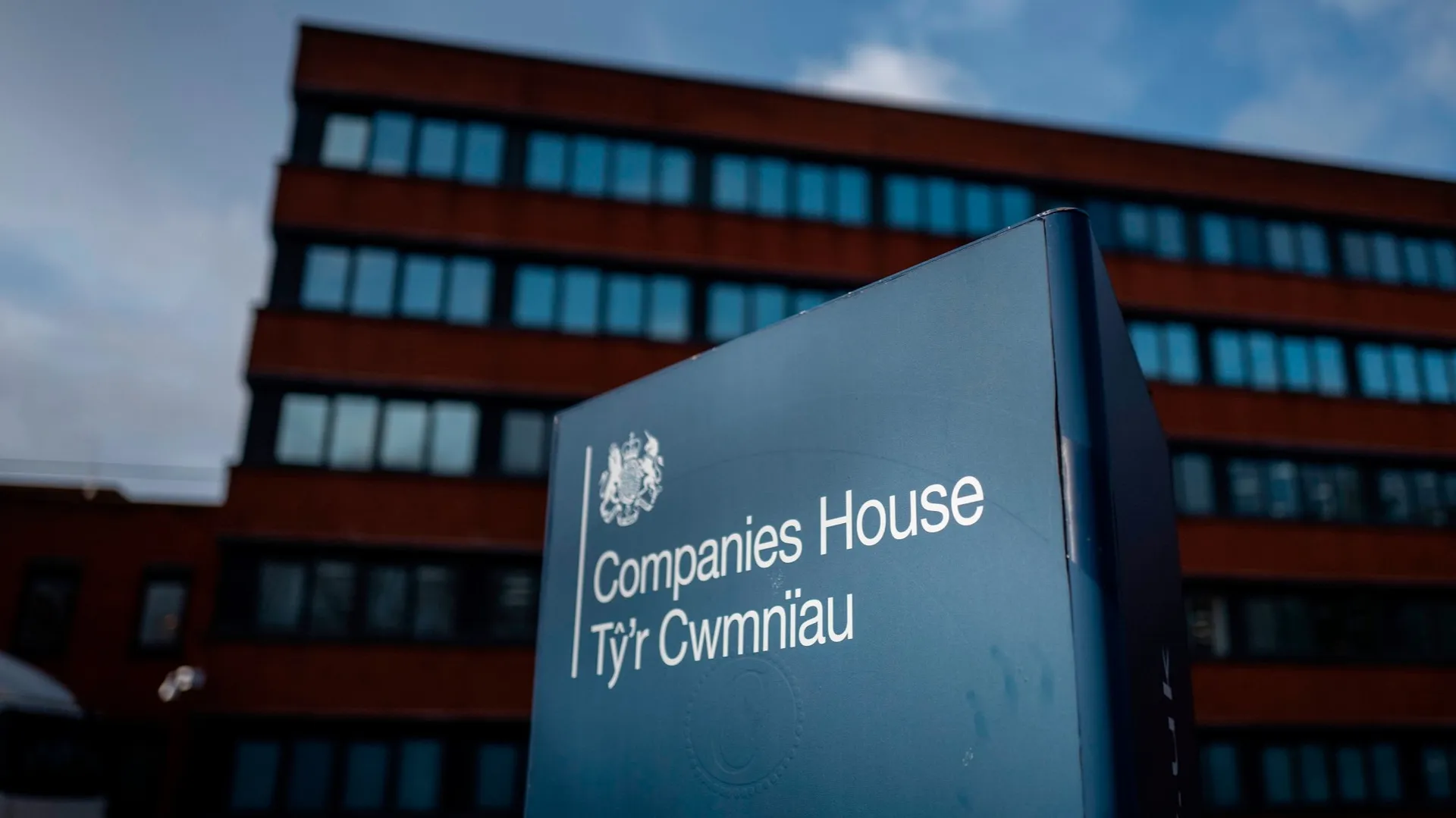
Ministers are set to shelve reforms to Companies House that would have required businesses to file their accounts in a more onerous way as part of the government’s attempt to reduce red tape on UK plc.
Under legislation brought in by the previous government, small and micro companies would from April 1, 2027, have to disclose their profit and loss statements for the first time as part of their annual accounts.
The proposals were designed to remove long-standing exemptions that allowed those companies to file “abridged accounts”.
All companies would also be required to file their annual accounts using compliant software in a format known as iXBRL (Inline eXtensible Business Reporting Language).
But one ally of Jonathan Reynolds said the business secretary would reverse the plans in order to lighten the regulatory load on businesses. “This will not happen as long as Jonny is in place,” they said. “It doesn’t fit with our plans to cut regulation.”
The Economic Crime and Corporate Transparency Act, passed into law in 2023, included a shake-up of how financial statements were filed in the UK as well as the content of those statements.
The legislation prompted concerns that the changes would allow competitors to “snoop” on each other’s margins and damage small companies’ negotiating power.
Business groups had warned that this “regulatory expansion” would force companies to pay for software from big providers or use a third-party agent to prepare and submit their accounts in electronic format, creating extra “cost and upheaval”.
The proposals were drawn up to improve the integrity of Companies House after various scandals involving shell companies or fraud.
The industrial strategy, unveiled by Reynolds at the end of June, has a target to cut red tape for businesses by 25 per cent as part of a broader plan to streamline regulations and make it “easier and cheaper” to operate in the UK.
The Federation of Small Businesses said the plan “sounds like positive news” and a relief for small companies and company directors “who agree Companies House data must improve but do not want regulatory gold-plating that undermines them against competitors and powerful customers who could weaponise that information against them”.
Companies House said only last week that it had written directly to all registered UK companies to give them “plenty of time” to prepare for the changes.
It said the move to software filing was a “critical step” in improving the accuracy and quality of data on the register, reducing errors and formatting issues and speeding up processing times.
At the same time companies would have been banned from the option of filing paper sets of financial statements or using certain online systems. Those submissions would be rejected and could lead to late-filing fees or sanctions for directors.
However, Duncan Hames, director of policy for Transparency International UK, said “rowing back” on the reforms would be short-sighted.
“We’ve learnt from painful experience that a laissez-faire approach to company law is readily exploited by criminals and enablers of corruption — diminishing Britain as a trusted place to do business,” he said.
“Frustrating corporate transparency at home also risks the UK looking hypocritical as it calls on others to open up their company registries abroad,” he added.
Ray Blake, of the Dark Money Files podcast, which has exposed some of the more egregious failings of Companies House to provide legitimate data, said: “Although this news will disappoint many transparency and anti-financial crime advocates, we don’t see this as one of the most impactful measures in the Act,” he said.
“So long as the other reforms are undiluted, the ECCTA when fully implemented will make life considerably harder for those who seek to abuse the UK incorporation system.”
A Department for Business and Trade spokesperson said: “This government is committed to avoiding undue burdens on businesses as part of our plan for change.”
Companies House did not immediately respond to a request for comment.